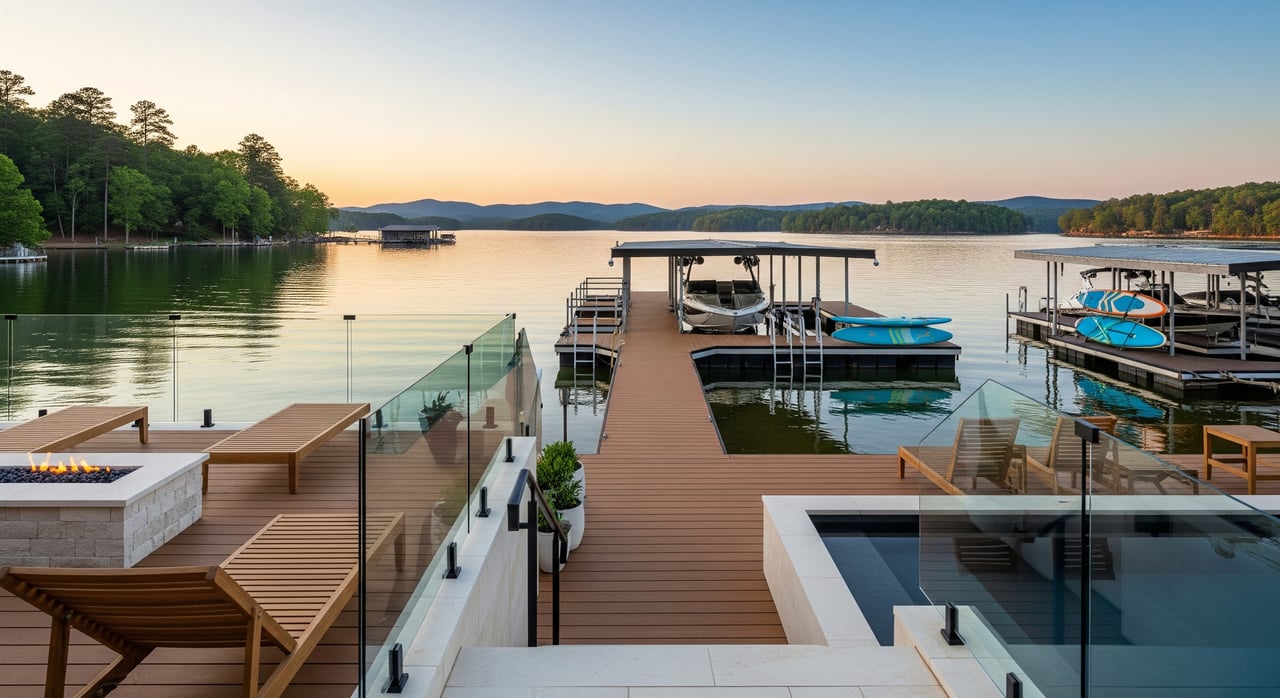
Imagine stepping onto your dock at sunrise, coffee in hand, as a light mist floats over calm water. You hear a distant boat engine and a few birds, and your day begins with a quiet moment you can’t get in the city. If you’re weighing a move to Lake Norman, you likely want this rhythm without losing access to Charlotte’s opportunities. In this guide, you’ll see what everyday life looks like on the lake, how seasons shape the pace, where to find recreation and conveniences, and what to know before you buy. Let’s dive in.
Where Lake Norman fits
Lake Norman is North Carolina’s largest man-made lake, created in the early 1960s by the Cowans Ford Dam. The shoreline spans multiple counties, including Mecklenburg, with communities such as Cornelius, Davidson, and Huntersville along the water. The reservoir is managed primarily by Duke Energy, and shoreline use, including dock permitting, involves coordination with local towns and counties in addition to Duke Energy rules.
You’ll find a strong connection to Charlotte. Many residents commute south for work and entertainment, while others work in nearby employment centers or on hybrid schedules. This balance is what draws relocating professionals: you get lake living with access to metro-area opportunities.
A day on the lake
Weekday mornings
On weekdays, the lake is peaceful. You might start on the deck, squeeze in a quick shoreline walk, then head to your office or home workspace. If you commute, your schedule often aligns with rush-hour patterns to Charlotte or local hubs. Remote workers enjoy quieter water during the day and use lunchtime to paddle, fish, or simply reset on the dock.
Weekday afternoons and evenings
By late afternoon, activity picks up as people return from work. Marinas and waterfront restaurants see more traffic. You may grill at home, gather with neighbors, or visit walkable spots like Davidson’s Main Street. Evenings usually bring a gentle soundtrack of boat engines and conversation, with more sound near public access points and marinas.
Weekends
Weekends are the lake’s peak. Expect boating, tubing, wakeboarding, fishing, and plenty of pontoons. Waterfront restaurants and marinas can be busy, especially in summer. Saturday mornings often mean farmers markets in nearby towns and, for homeowners, routine boat prep or dock projects.
Seasons
- Spring: The lake wakes up. Homeowners prepare boats, refresh landscaping, and enjoy a growing calendar of town events as temperatures rise.
- Summer: This is the high-energy season. You’ll see more traffic around ramps and marinas, plus frequent social gatherings on the water. Plan ahead and follow safety guidance, especially on busy weekends.
- Fall: Cooler air, colorful foliage, and a more relaxed pace. Boating continues with milder weather, and many people shift toward hiking and cycling.
- Winter: The quiet season. Homeowners focus on maintenance, dock repairs, and winterizing boats. Outdoor walks and runs remain popular on clear days.
Recreation and amenities
Boating and water life
Boating is central to Lake Norman. You’ll see pontoons, personal watercraft, fishing boats, and sailboats in the mix. Full-service marinas offer fuel, service, and winter storage, and public boat ramps provide access for non-waterfront residents. Regulations such as registration, safety equipment, speed, and no-wake zones are enforced by state agencies. Dock placement and some water uses are shaped by Duke Energy guidelines and local permitting.
Parks, trails, and greenways
You’ll find nature preserves, parklands, and trail systems around the lake, including regional greenways and town parks that support hiking, picnicking, birdwatching, and mountain biking. These spaces help you enjoy the outdoors year-round, even when the water is quiet.
Dining, shopping, and services
Waterfront dining ranges from casual grills to sit-down restaurants with lake views. In nearby Huntersville, Birkdale Village offers a walkable mix of shops and restaurants, while Davidson’s Main Street has cozy cafes and cultural touchpoints. You’ll find everyday essentials throughout Cornelius, Davidson, and Huntersville, with easy access to larger regional centers for specialty shopping and medical care.
Community character by town
- Davidson: A small college town setting with a walkable core and a steady calendar of cultural activities.
- Cornelius and Huntersville: Suburban neighborhoods with numerous marinas, retail centers, and newer developments.
- Mooresville: A growing area with motorsports ties and varied lakefront neighborhoods.
Across the lake, you’ll meet longtime residents, recent relocations, and retirees who value a mix of active living and quiet waterfront time.
What to know before you buy lakefront
Property types
- Single-family waterfront homes with private docks in a range of styles and ages.
- Townhomes or condos with shared slips or marina access.
- Non-waterfront homes that include HOA access to community docks or boat slips.
- A mix of newer construction and established neighborhoods with varying lot sizes and setback rules.
Docks and access
Not every lakefront property includes a private dock. Some rely on community facilities or public access points. If a property does have a dock, confirm that it is permitted and understand any shoreline easements or riparian rights that transfer with the deed. Approvals often involve county or town planning departments and Duke Energy’s shoreline policies.
Consider how you’ll use the water. If you plan to keep a boat at home, verify water depth, exposure to wakes, and the condition of existing structures. If you plan to rent or store a boat off-site, learn about nearby marinas and seasonal availability.
Maintenance and seasonal rhythm
Owning on the water comes with ongoing care. Common costs include dock and boathouse upkeep, seawall repairs or erosion control, landscaping, and routine boat service. Plan for seasonal work, such as spring commissioning and fall winterizing. Exposure, materials, and wake patterns influence how often you’ll need repairs or replacement.
Insurance, flood, and permits
Waterfront homes typically carry standard homeowners insurance, and some locations may also require or recommend flood coverage depending on elevation and FEMA flood maps. Docks and shoreline structures can require permits and documentation. Some insurers ask for proof of compliance or inspections. Connect with licensed professionals to understand premiums and policy requirements before you close.
Utilities and connectivity
Lakeside towns often provide municipal water and sewer, but some properties use wells or septic systems. Verify service type during due diligence. Internet and cell coverage can vary by address and provider, which is important if you work from home.
Rules, HOAs, and expectations
Some neighborhoods have HOAs or covenants that guide dock design, exterior lighting, parking, and quiet hours. Other areas have fewer collective rules. Expect a level of boat noise and activity as part of lake life, especially in summer. Town ordinances and posted no-wake zones help manage safety near docks and swim areas.
Environmental and safety notes
Water quality is monitored by public agencies and universities, and there can be occasional seasonal advisories. On busy weekends, pay close attention to safety practices, life jackets, and speed limits. Children and pets require close supervision near the water.
Two lifestyle snapshots
The weekday commuter
You wake to soft light on the cove and check traffic before heading to a Charlotte office. During the day, the lake is calm. You return in the evening for a quick cruise, then dinner on the patio as neighbors wave from their docks. You plan house projects for early Saturday and water time in the afternoon. This routine balances a metropolitan career with a restorative home base.
The remote professional
You start with a short paddle at sunrise and work from a home office with water views. Lunch might be a walk on a nearby greenway. Afternoons bring a burst of activity on the lake, but your cove stays relatively quiet until evening. Your weekends are social, with friends joining for a slow pontoon ride and a simple dockside meal. This rhythm blends productivity and connection to the outdoors.
Getting clear answers
For property-specific details, go straight to authoritative sources. Duke Energy provides lake operations and shoreline guidance. Local town or county planning offices handle permits and zoning. The North Carolina Wildlife Resources Commission publishes boating regulations and safety information. Parks and recreation departments share maps and amenities. FEMA flood maps help assess elevation and potential insurance needs. For current costs on docks and boat storage, contact nearby marinas and marine contractors.
If schools are part of your decision-making, review official district maps for the address and verify enrollment policies with the district. District boundaries can vary around the lake.
Your next step
If Lake Norman feels like your place, you deserve a guide who knows the shoreline, the neighborhoods, and the details that matter. With nearly two decades of combined real estate and lending experience, a premium marketing toolkit, and a calm, consultative approach, Terese helps you move forward with confidence. Ready to explore waterfront options or compare towns around the lake? Connect with Terese Odell to schedule a free consultation.
FAQs
What is Lake Norman and who manages it?
- Lake Norman is North Carolina’s largest man-made lake, created in the 1960s, and it is primarily managed by Duke Energy with local permitting involvement from towns and counties.
How busy is Lake Norman on summer weekends?
- Summer weekends are the peak time for boating and waterfront dining, with heavier traffic near public ramps and marinas and a generally quieter pace on weekdays.
What Lake Norman towns are in Mecklenburg County?
- Cornelius, Davidson, and Huntersville have shoreline areas in Mecklenburg County, each with different neighborhood styles, amenities, and access points.
Can every Lake Norman home have a private dock?
- No. Some properties have private docks, others use community facilities or public access, and dock approvals depend on local permitting and Duke Energy shoreline policies.
Do Lake Norman homes require flood insurance?
- It depends on the property’s elevation and FEMA flood mapping; consult flood maps and an insurance professional to determine coverage needs and costs.
What utilities and internet options are typical around Lake Norman?
- Many lakeside areas have municipal water and sewer, while some use wells or septic; internet and cell service vary by address and provider, so verify during due diligence.
What boating rules apply on Lake Norman?
- North Carolina Wildlife Resources Commission regulations cover registration, safety equipment, and speed and no-wake zones, with enforcement by state and local authorities.