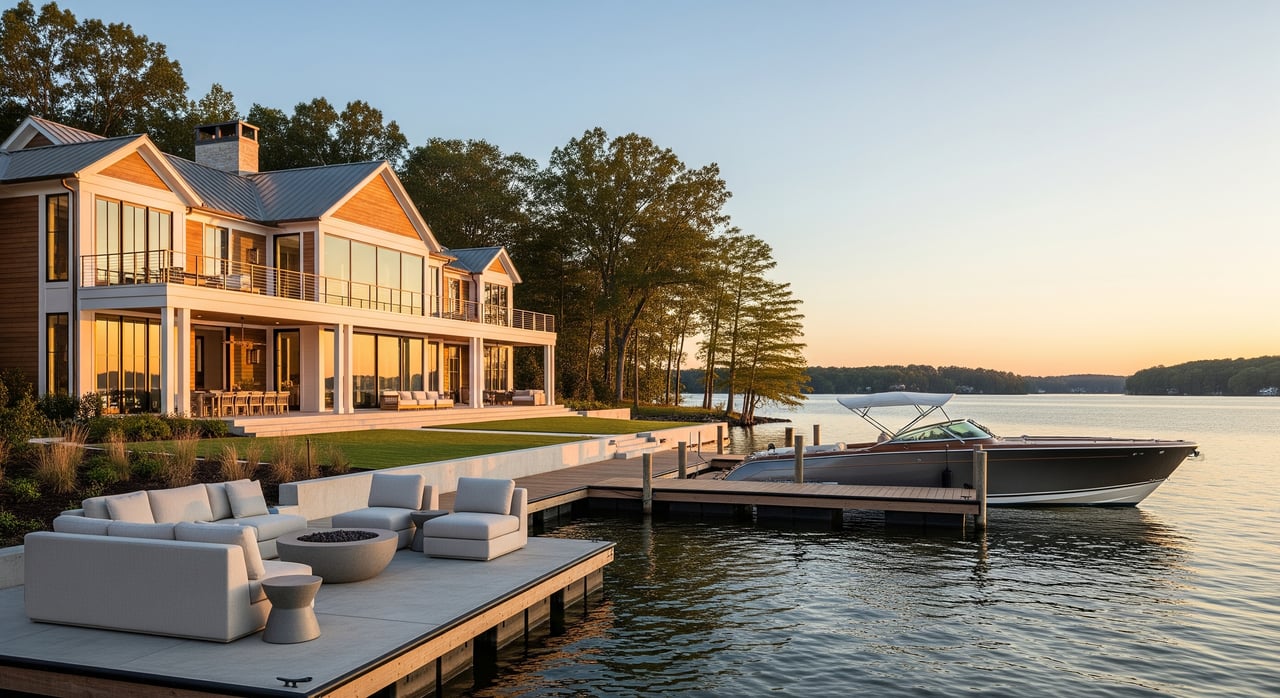
Thinking about turning a Lake Norman getaway into an Airbnb? You are not alone. Waterfront demand is strong, but the rules can be tricky when you factor in town zoning, county health codes, HOA policies, and dock permits. In this guide, you will learn what controls short-term rentals in Cornelius, how HOAs affect your plans, the basics of taxes and safety, and a practical due diligence checklist to use before you buy or list. Let’s dive in.
What actually controls STRs in Cornelius
Short-term rentals on Lake Norman sit under several layers of authority. If you want a smooth purchase and launch, plan to confirm rules at the town, county, state, and shoreline levels. A green light from one level does not override a restriction at another.
Town of Cornelius
Start with zoning. Check whether short-term rentals are allowed as a permitted or conditional use in the property’s zoning district, and whether any overlay districts apply. Ask about any town licensing or registration, safety inspections, or occupancy requirements that may apply to transient lodging. Always confirm current ordinances with Planning and Zoning and get answers in writing when possible.
Mecklenburg County
The county oversees building permits, inspections, and many health and safety issues. If the home has a septic system or well, confirm the permitted capacity and any limits that could affect guest counts. Review county permit records for additions, pools, or dock improvements to make sure the work is properly documented.
State taxes and codes
North Carolina agencies administer sales and occupancy taxes for short-term stays. Platforms sometimes remit certain taxes in a given area, but you remain responsible for registering and ensuring taxes are collected and remitted correctly. State building and fire codes also apply to rented units, so plan for smoke and carbon monoxide alarms, proper egress, and any other safety requirements.
Duke Energy and the shoreline
Lake Norman is a reservoir managed by Duke Energy. Docks, boat lifts, and other shoreline structures typically need Duke Energy permits and must meet shoreline management rules. House rules and insurance should address guest use of docks and any watercraft you provide access to.
HOA rules can make or break it
On Lake Norman, HOA and private community rules often decide whether an Airbnb is practical. Some communities are friendly to short stays. Others use minimum lease terms, guest restrictions, or outright prohibitions that effectively block STRs.
Common HOA clauses you may encounter include:
- Short-term rental bans or minimum lease terms, often 30 days or more.
- Owner-occupancy requirements that limit rental frequency.
- Registration or board approval before renting.
- Caps on the percentage of homes that can be rented.
- Minimum-stay rules, blackout dates, or turnover limits.
- Guest conduct rules for parking, noise, docks, occupancy, and trash.
- Fines and enforcement tools that escalate for repeat violations.
- Dock and marina rules that restrict guest access or boat storage.
Even if the town allows STRs, an HOA restriction can stop your plans. Treat HOA documents as a primary gatekeeper, especially for waterfront homes with shared marinas.
What to request before you buy
Ask for the full recorded Declaration and CC&Rs, bylaws, and any rules or recent amendments. Review recent meeting minutes and enforcement history to gauge how strictly rules are applied. Request the HOA’s list of approved or active rental properties to understand precedent. Confirm what the HOA’s insurance covers and what falls on you as the owner.
Operating basics before you list
A successful Lake Norman STR starts with clear compliance and smart risk management. Address these categories before your first booking so you protect your investment and your neighbors’ peace of mind.
Licensing, registration, and taxes
Understand your sales and local occupancy tax obligations. Platforms may handle certain tax collection in some jurisdictions, but it is your responsibility to register where required and ensure accurate remittance. Discuss federal and state income tax treatment, depreciation, and property tax considerations with a qualified tax professional.
Safety and health
Install and maintain smoke and carbon monoxide alarms, and confirm egress and other life-safety requirements under current codes. Pools, hot tubs, and docks add risk. Plan for appropriate fencing, signage, safety equipment, and maintenance. If the home uses a septic system, confirm permitted occupancy and plan for the increased load that comes with frequent turnover.
Insurance and liability
Standard homeowners policies often exclude short-term rental activity. Obtain a dwelling policy with a short-term rental endorsement or a commercial STR policy that covers guests, third-party injuries, property damage, and dock or boat-related liabilities if applicable. Consider loss-of-income coverage and contents coverage for furnished homes.
Docks and shoreline specifics
Confirm the status of any dock permit with Duke Energy and whether that permit is transferable. Clarify riparian rights versus HOA-controlled docks, and whether guests may use slips or lifts. Set house rules for dock access and safety, and review them with your insurance agent and legal counsel.
Neighbor relations and nuisance risks
Clear house rules go a long way. Set quiet hours, parking plans, trash schedules, and maximum occupancy. Provide guests with pre-arrival instructions and a local contact who can respond quickly. Use enforceable screening and damage deposits, and have a plan for immediate resolution if a neighbor raises a concern.
Platforms and property managers
Airbnb and VRBO offer tools for house rules, deposits, and, in some cases, tax collection. Platform tax handling varies by location, so verify what applies in Cornelius and Mecklenburg County. Local property managers can handle compliance, guest communication, dock logistics, and maintenance if you prefer a hands-off approach.
Running the numbers in Lake Norman
Waterfront demand on Lake Norman is driven by boating and recreation, easy weekend access from Charlotte, seasonal peaks in spring and summer, and holiday travel. Homes with docks often command a premium, but they also carry higher maintenance and insurance costs.
When you model revenue and expenses, focus on these inputs:
- Estimate nightly rates, occupancy, seasonality, and realistic gross revenue using STR data providers, local property managers, and competing listings.
- Adjust for platform and payment processing fees, owner use, and vacancy.
- Include management fees if you use full service. Market ranges are commonly 15 to 35 percent of booking revenue.
- Budget for cleaning and linen turnover, utilities, landscaping, pool and dock care, and a reserve for repairs.
- Plan for higher insurance premiums tied to STR activity and water exposure.
- Account for local taxes, any licensing costs, HOA dues, and potential special assessments in marina communities.
Finally, remember exit risk. HOA votes or town-level changes can alter STR rules over time. Build a contingency plan if short stays become limited in the future.
Due diligence checklist
Use this step-by-step sequence before you write an offer or rely on rental income:
- Confirm zoning and STR legality with Town of Cornelius Planning and Zoning. Ask for written confirmation when practical.
- Review HOA CC&Rs, bylaws, rules, pending amendments, and recent enforcement actions. Get a written statement on STR policy from the HOA or its manager.
- Verify dock and shoreline permit requirements with Duke Energy. Confirm any existing permit status, transferability, and guest-use permissions.
- Check Mecklenburg County records for septic and well permits, building permits, past code issues, and property tax classification.
- Confirm tax obligations with the North Carolina Department of Revenue and Mecklenburg County. Ask whether platforms remit occupancy tax locally and register for any required local license or STR registration.
- Obtain insurance quotes that explicitly cover STR activity and water-related liabilities, including docks, lifts, pools, and watercraft.
- Run STR revenue comps using market data tools and speak with local property managers to validate rates, occupancy, and seasonality.
- Interview property managers about compliance, guest screening, complaint handling, and emergency response.
- Inspect the property for STR durability and safety, including finishes, septic capacity, dock condition, parking, and noise mitigation.
- Consult a tax advisor on federal and state tax treatment, deductions, and how the 14-day personal use rule may affect your planning.
Red flags to watch
- HOA language that is vague or under revision, or meeting minutes that show active enforcement against short stays.
- A dock without a clear Duke Energy permit record, or unclear rules about guest use of community marina facilities.
- Septic permits that do not match your planned occupancy, or signs of overloading such as frequent pump-outs.
- Assumptions that platforms will handle all taxes without verifying with state and county sources.
- Insurance quotes that exclude guest injuries or dock and boat-related risks.
- No designated local contact or plan for rapid response to neighbor complaints.
- Revenue projections that ignore seasonality, vacancy, or higher lakefront maintenance costs.
When an STR may not fit your goals
If HOA or shoreline rules limit short stays, consider a longer minimum lease or a hybrid approach where you use the home personally in peak season. Some buyers prioritize personal enjoyment and future resale flexibility over maximizing nightly rates. The right fit balances your lifestyle plans with realistic cash flow, operating effort, and regulatory risk.
If you want a second home first and rental income second, make sure the property works for you even without short-term revenue. That mindset can protect your long-term satisfaction and resale options.
Ready to evaluate a specific Lake Norman home for short-term rental potential? With lending experience and deep waterfront market knowledge, I can help you pressure test the numbers, navigate HOA and dock considerations, and connect you with trusted local pros. Reach out to schedule a free, no-pressure consult with Terese Odell.
FAQs
Are short-term rentals legal in Cornelius, NC?
- Municipalities can regulate or restrict STRs through zoning and licensing, so verify the current Town of Cornelius ordinances before you buy.
Do I need a permit for a dock or boat lift on Lake Norman?
- Docks and shoreline structures are typically managed by Duke Energy, and permits are commonly required; confirm status and transferability.
How do sales and occupancy taxes work for Lake Norman Airbnbs?
- Sales and local occupancy taxes typically apply to short stays, and platform remittance varies; confirm requirements with state and county tax offices.
Will my HOA allow rentals under 30 days in Cornelius?
- Many HOAs set minimum lease terms or ban STRs; always obtain written confirmation of the community’s policy and enforcement history.
Does a standard homeowners policy cover short-term rental guests?
- Often not; you will likely need a short-term rental endorsement or a commercial policy that addresses guest and dock-related liabilities.
What drives demand and seasonality for Lake Norman STRs?
- Boating and recreation, proximity to Charlotte, and spring, summer, and holiday peaks are common demand drivers for the area.