Buying on the water should feel exciting, not overwhelming. If you are drawn to the Lake Norman lifestyle in Mooresville, you also want clarity about docks, permits, septic systems, and flood risk before you make an offer. This guide explains how waterfront purchases work here, which approvals matter, and the simple steps that protect your time and investment. Let’s dive in.
Why Mooresville waterfronts are unique
Lake Norman is a large, engineered lake with 32,000+ surface acres and roughly 520 miles of shoreline, created as part of the Catawba–Wateree hydroelectric system. It is operated under a multi‑agency framework, and Duke Energy manages shoreline uses through a formal plan. You will see a wide range of properties, from cozy walkout‑basement homes on steep lots to expansive point properties and condo communities with shared piers.
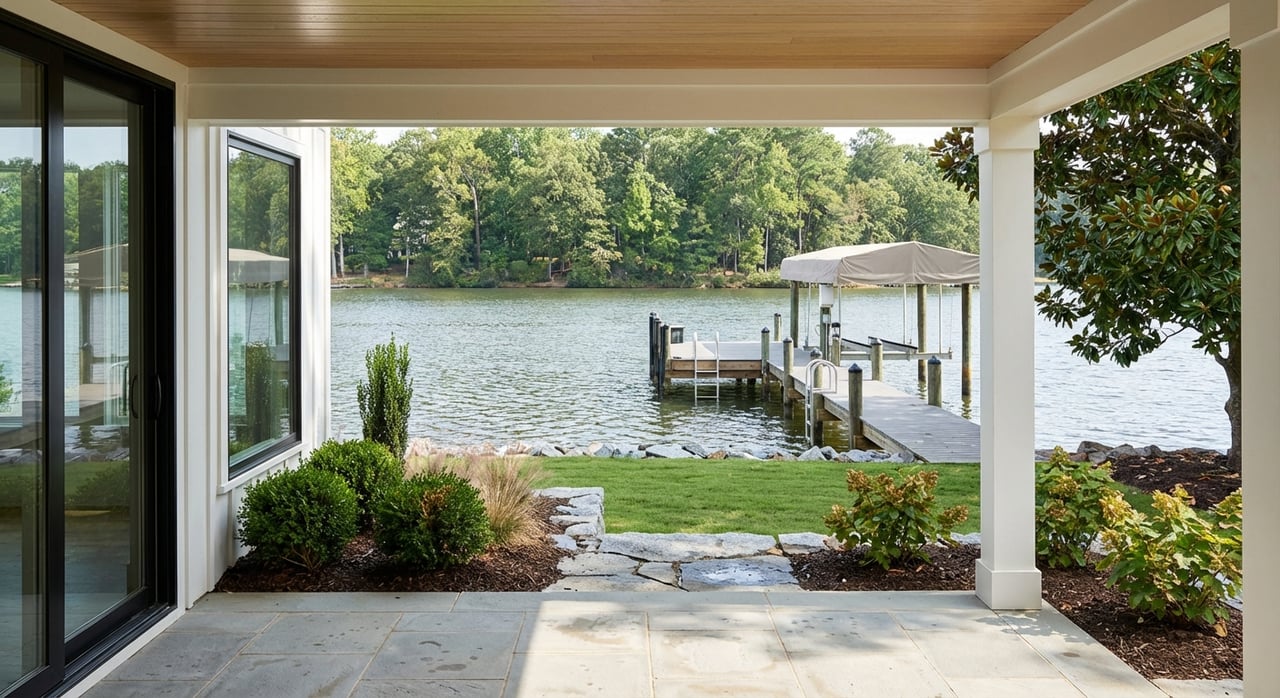
Common shoreline features include floating or fixed docks, boat lifts, rip‑rap or bulkheads, and in some cases covered slips. What you can build or replace depends on when the lot was created, neighborhood rules, and Duke Energy’s shoreline classifications. That is why permits and recorded documents are central to due diligence here.
Learn more about Lake Norman’s size and history.
What makes buying here different
In Mooresville, you navigate three layers of authority:
- Duke Energy Lake Services controls in‑water structures and lakebed uses through its Shoreline Management Plan (SMP). The SMP classifies shoreline segments and sets what is allowed for docks, marinas, stabilization, and dredging.
- Local government enforces building code, zoning, and floodplain rules. Inside town limits, you work with the Town of Mooresville departments. In unincorporated areas, Iredell County handles planning, inspections, and Environmental Health for septic and wells.
- State and federal agencies can be involved when projects affect wetlands, water quality, or dredging. The U.S. Army Corps of Engineers (USACE) and NC DEQ are the typical reviewers.
The key takeaway: start your questions with Duke Energy for anything on or over the water, then confirm local permits, and bring in state or federal guidance if dredging or sensitive habitat is involved.
Dock, shore and permits: the essentials
Think of approvals as a sequence. Most dock or shoreline work follows this order:
- Duke Energy review for shoreline classification and a lake‑use license or permit.
- Local building, zoning, and floodplain permits and inspections.
- State and federal authorization if the work affects wetlands, involves dredging, or touches regulated waters.
Timelines vary. A straightforward dock repair can take weeks to a few months. Projects that need state or federal review can take longer. Older docks are sometimes grandfathered, but replacement size and location still depend on current SMP rules. Always confirm whether an existing dock can be rebuilt to its current footprint if damaged.
Survey, title and riparian access
Your survey and title package should answer three questions:
- Where are the true lot lines and the recorded “normal pool” contour? Ask for a current boundary/topographic survey that shows the dock footprint and the waterline Duke uses for review.
- What lakeside rights are recorded? Title should check for lake‑use licenses, easements, riparian access language, and any shared‑slip agreements. If a dock is part of a community marina, confirm whether the slip is deeded, assigned, or leased.
- Who controls the lakebed use? Duke manages uses inside the project boundary through licenses and permits, even if historic ownership records are complex. Do not assume unlimited private control of the bed.
Water depth, dredging and erosion
Boat usability depends on depth at the dock and the distance to the main channel. In some coves, dredging may be possible but is tightly regulated, often seasonal, and usually requires USACE and state review in addition to Duke’s approval. Ask for typical depth at the seller’s dock and whether dredging has been done or is planned.
Shoreline condition also matters. Look at slope, soil stability, existing rip‑rap or bulkheads, tree cover, and buffers. Vegetative stabilization is often preferred for habitat and water quality, but many properties use rock or sheet‑pile systems. Repairs or new stabilization can trigger reviews from Duke and, if in‑water work is needed, state or federal agencies.
Septic, wells and municipal service
Mooresville waterfront homes may be on municipal sewer and water or on private septic and well. If the home has septic:
- Pull Iredell County permit history and confirm the permitted bedroom count.
- Order an inspection or pump‑out record review and ask for any recent repair invoices.
- Understand that failing systems near the shoreline can be costly to replace and may limit future bedroom or addition plans.
If a private well serves the property, request recent water test results. If the home ties to municipal service, confirm the providers and any lateral locations that may affect future projects.
Flood risk and insurance
Do not assume every waterfront parcel is in a high‑risk flood zone. Use FEMA’s Flood Map Service Center to check the exact map panel for the property. Ask the seller for any Elevation Certificate and get preliminary flood insurance quotes during due diligence. Lenders typically require flood insurance for homes in a Special Flood Hazard Area.
Safety at the dock
Docks age in different ways. Wood rot, corroded fasteners, worn lift components, and electrical hazards are common. Hire a marine contractor to inspect pilings, framing, lift capacity, and connections. If the dock has shore power, bring in an electrician who understands marina and dock requirements. The National Electrical Code includes specific protections for docks and marinas in Article 555, including GFCI rules and equipment placement. Verifying that all work was permitted and inspected reduces risk.
See the dock and marina electrical safety basics in NEC Article 555.
Costs, timelines and deal risks
Budget for both inspections and potential updates. Simple dock repairs or like‑for‑like replacements can range from a few thousand dollars to tens of thousands, plus permit and review time. New docks, covered slips, dredging, or major shoreline stabilization often require longer timelines and can cost tens to hundreds of thousands depending on scope.
Common deal‑stoppers or negotiation points include:
- Missing Duke lake‑use license or an unpermitted dock.
- Failing septic near the shoreline or a septic system that does not match the bedroom count.
- Title or easement disputes over slips or shared access.
- Flood insurance requirements that are higher than expected.
- Significant shoreline erosion that requires structural stabilization.
- Unsafe or unpermitted dock electrical systems.
Each of these can be addressed with the right inspections, permit checks, and contingency language in your offer.
Quick‑start checklist
Before you write an offer, focus on these actions:
- Verify the dock’s Duke Energy license and any local permits. Ask for the Duke tag or permit number and copies of approvals.
- Order a current survey showing the normal pool contour and dock footprint. Request title documents for any lake easements, licenses, or shared‑slip agreements.
- Commission a marine inspection of the dock, lift, and shore power. Add an electrician familiar with marina requirements.
- Confirm utilities: septic permit history and inspection, or municipal sewer and water verification. Request well test results if applicable.
- Check FEMA flood maps for the property and get preliminary insurance quotes. Ask for an Elevation Certificate if one exists.
- Request HOA documents if in a planned community, including any dock or marina rules and meeting minutes about waterfront amenities.
Offer strategy and contingencies
Write an offer that gives you time to verify what matters on the water. Consider contingencies for:
- Transferability or reissuance of the Duke lake‑use license and confirmation of the shoreline classification.
- Dock and electrical inspections by qualified marine and electrical contractors.
- Septic inspection and bedroom count verification or municipal sewer confirmation.
- Flood insurance quotes if the home is in or near a mapped flood zone.
If a dock is missing documentation, require written confirmation from Duke and local authorities about legalizing or replacing it, along with estimated timelines and costs. Unpermitted docks can face removal orders, so clarity here protects you.
Key documents to request
- Current boundary/topographic survey showing the dock and normal pool contour.
- Duke Energy lake‑use license, permit tags, and any related correspondence.
- Local building, zoning, and floodplain permits and final inspections for shoreline work.
- HOA documents, rules for docks/slips, and recent meeting minutes on waterfront items.
- Septic permit history, recent inspection or pump records, and well test results if applicable.
- Recent dock inspection report, including electrical notes, plus repair invoices.
- Title report with recorded easements, licenses, and any marina agreements.
- FEMA flood map panel info and any Elevation Certificate.
Official contacts and resources
Use these official pages to verify permits, rules, and risk for Mooresville waterfront homes:
- Duke Energy — Shoreline permits, lake‑use licenses, applications: Duke Energy Lake Services
- Duke Energy — Catawba‑Wateree Shoreline Management Plan overview: Shoreline Management Plan
- Town of Mooresville — Building Permitting & Inspections: Mooresville Permitting
- Iredell County — Onsite Water Protection (septic and wells): Iredell Environmental Health
- FEMA — Flood Map Service Center: Check Flood Zones
- US Army Corps of Engineers (Wilmington District) — Regulatory public notices: USACE Regulatory
- Duke Energy — Aquatic plant management and reporting: Aquatic Weeds & Water Quality
- Lake Norman Marine Commission — Local guidance and updates: Living on Lake Norman
When you are ready for a local game plan that fits your goals and timeline, you deserve a calm, expert process from first showing to dock inspection. Schedule a free consultation with Terese Odell to map your next steps on Lake Norman.
FAQs
What is Duke Energy’s Shoreline Management Plan on Lake Norman?
- It is the rulebook Duke uses to classify shoreline segments and regulate docks, marinas, stabilization, and dredging; it governs what you can build, replace, or repair on the water.
How do I verify a dock on a Mooresville waterfront home is legal?
- Ask the seller for the Duke lake‑use license and tag number, plus local permits and inspections; confirm transferability and conditions with Duke and check title for any easements or shared‑slip agreements.
Do Lake Norman waterfront homes in Mooresville always require flood insurance?
- No; you need to check FEMA maps for the specific parcel and request any Elevation Certificate; lenders typically require coverage only if the home lies in a Special Flood Hazard Area.
Can I dredge to improve boat access at a Mooresville property?
- Sometimes, but dredging is tightly regulated, often seasonal, and usually needs Duke review plus USACE and state authorization; confirm feasibility, costs, and timing during due diligence.
What inspections are unique to buying a Lake Norman waterfront home?
- In addition to a home inspection, hire a marine contractor for the dock and lift, an electrician familiar with marina rules for shore power, and septic professionals or county Environmental Health if the home is on septic.
Are covered boat houses or plumbing on docks allowed on Lake Norman?
- The SMP typically prohibits habitable structures and plumbing on docks and may limit size and slip counts; actual allowances depend on your parcel’s shoreline classification and permit history.