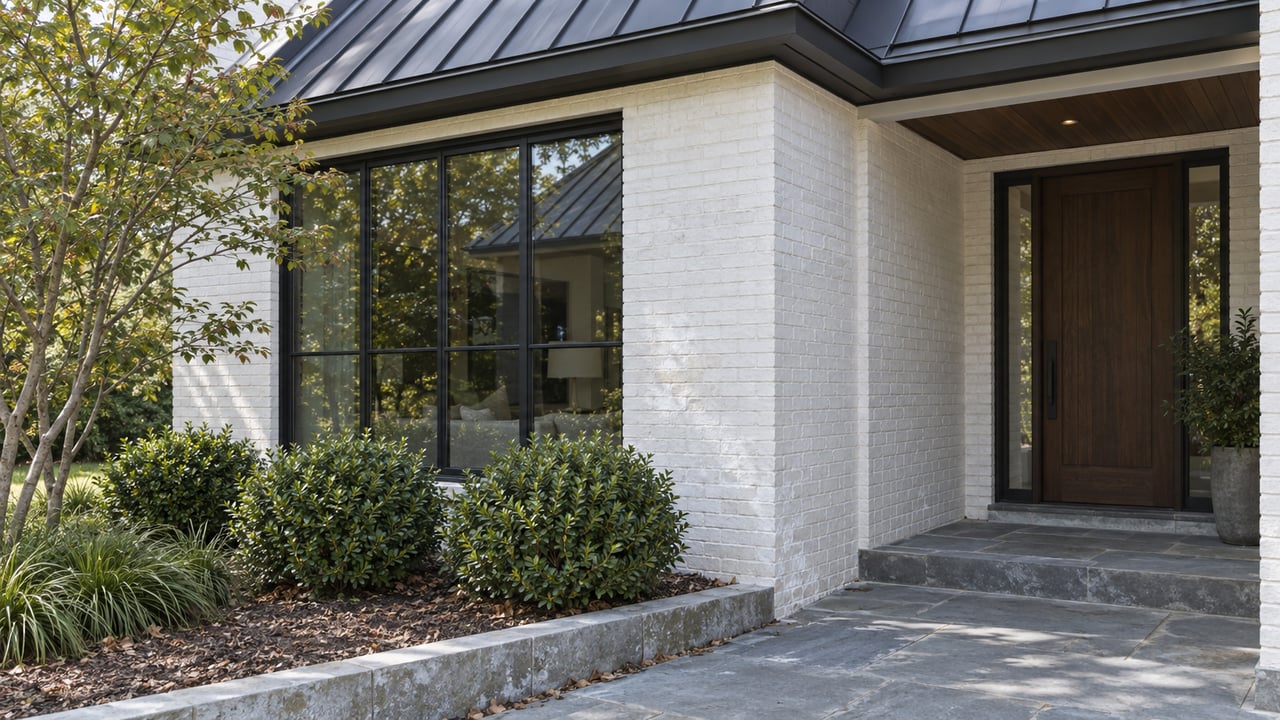
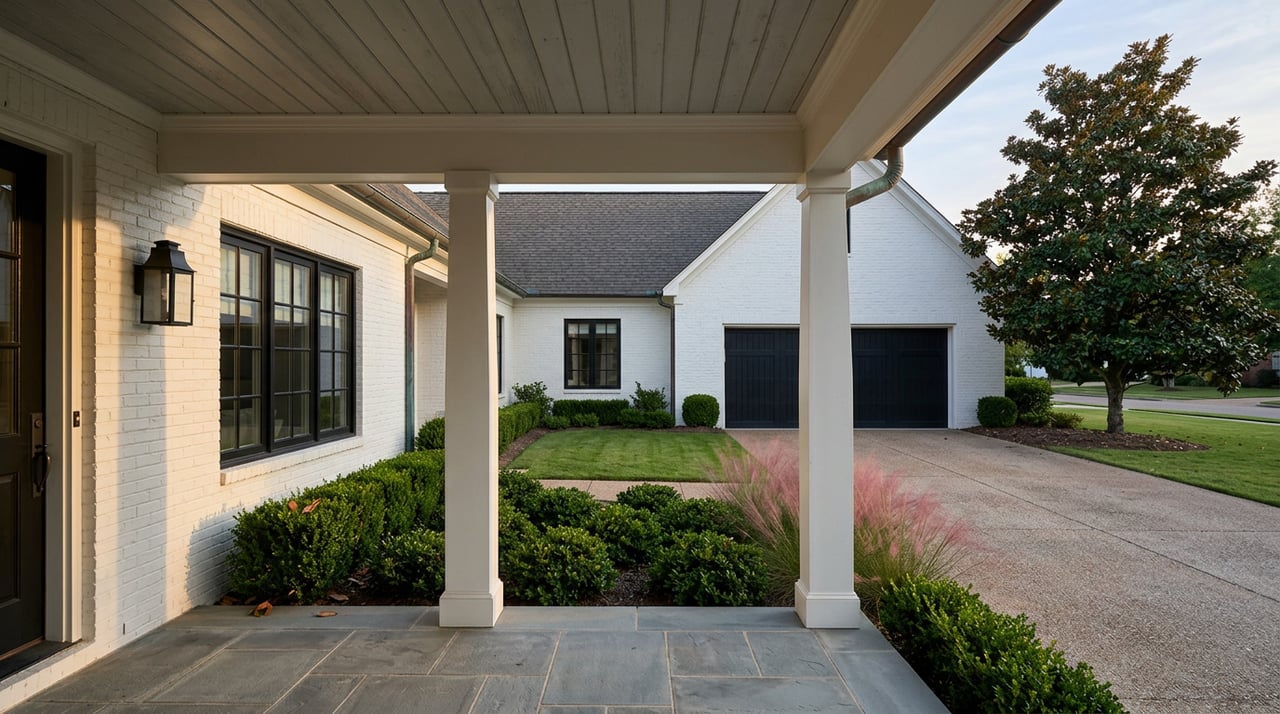
Are you eyeing a Lake Norman waterfront or a custom home in Mooresville, but unsure how jumbo financing works? You are not alone. Luxury properties often sit above standard loan limits, and the rules for jumbo loans are a bit different. In this guide, you will learn what counts as a jumbo in Iredell County, how lenders underwrite these loans, what affects your rate, and how to structure a strong offer in competitive enclaves like The Point. Let’s dive in.
What counts as a jumbo in Mooresville
A jumbo loan is a mortgage that exceeds the conforming loan limit set by the Federal Housing Finance Agency. Conforming loans can be purchased by Fannie Mae or Freddie Mac. Anything above the limit is a jumbo and follows different underwriting standards.
These limits change each year. Whether your loan in Mooresville is jumbo depends on the current FHFA limit for Iredell County at the time you buy. Plan to verify the year’s limit directly from FHFA tables or by asking your lender. Do not rely on last year’s number when shaping your offer.
In the Lake Norman luxury market, many waterfront and high-end custom homes require loan amounts above conforming levels. You will either need jumbo financing or a larger down payment to stay within conforming limits.
How jumbo underwriting works
Jumbo loans ask for more documentation and stricter qualifications than most conforming loans. Here is what to expect.
Credit and profile
Lenders commonly prefer higher credit scores for competitive jumbo pricing. Scores in the mid-700s often unlock the best terms, though some lenders may consider lower scores with tighter pricing or higher reserve requirements. Clean payment histories and low credit utilization help your approval and your interest rate.
Income documentation
If you are employed, expect to provide recent pay stubs (usually 30 days), two years of W-2s, and verification of employment if needed. If you are self-employed, you will likely provide two years of personal and business tax returns, year-to-date profit and loss statements, and possibly business bank statements. Lenders tend to evaluate full returns, including Schedule C and K-1s.
Assets and reserves
Plan on sharing 2–3 months of bank and investment statements for checking, savings, brokerage, and retirement accounts. You will document large deposits so lenders can verify the source. Jumbo buyers often need more cash reserves than conforming loans. Depending on the property and profile, lenders may require 6–12 months (or more) of mortgage payments in verified reserves. Some lenders allow gift funds, but they usually do not reduce reserve requirements and will need clear gift letters and source documentation.
Debt-to-income and qualifying
Lenders use your debt-to-income ratio, but allowable maximums vary by lender and product. Strong compensating factors, such as high credit, large reserves, or a lower loan-to-value ratio, can support higher DTIs. Expect lenders to include property taxes, HOA dues, flood insurance, and estimates for maintenance and utilities on luxury waterfront homes when calculating your qualifying numbers.
Down payment and LTV
Many jumbo programs ask for 20% to 30% down on primary residences, with larger down payments for second homes and investment properties. Putting 20% or more down often helps avoid separate mortgage insurance. Some portfolio lenders offer lower down options, but they typically come with stricter credit and reserve rules.
Property standards and appraisal
Appraisals receive extra scrutiny, especially for custom or waterfront properties where comparable sales are scarce. Lenders may order a full appraisal, a desk review, or even a second appraisal. Appraisal waivers are uncommon for jumbo loans. Condos and unusual properties may trigger additional requirements or exclude certain programs.
Other lender requirements
Waterfront homes can involve flood zones. If a property lies in a FEMA-designated flood zone, you will need flood insurance. Lenders also require clear title, and they may ask for a survey or an elevation certificate. If the home sits in a community with an HOA, plan on lenders reviewing HOA financials and bylaws.
Rates and loan choices
Jumbo rates move with the broader bond market and can price differently than conforming loans. Knowing how options work can help you budget and negotiate.
Why jumbo rates differ
The jumbo market is not backed by Fannie Mae or Freddie Mac, so pricing depends on lender risk appetite and the wholesale lending market. Rates generally track Treasury yields, and the spread between jumbo and conforming changes over time. The loan size, your documentation type, and your profile can all influence where your rate lands.
Fixed vs adjustable
Fixed-rate jumbos suit buyers who want long-term payment certainty on a larger principal. Adjustable-rate mortgages (often 5/6 or 7/6) may offer lower initial rates, which can help in competitive offer situations, but they carry future rate risk. If you consider an ARM, stress test your budget for possible rate increases later.
Pricing factors you control
Several actions can improve your rate:
- Keep your credit score strong. Higher scores open better pricing and more options.
- Reduce your LTV. A larger down payment often brings a better rate.
- Show robust reserves. Extra reserves can help pricing and underwriting comfort.
- Consider occupancy. Primary homes generally price better than second homes or investment properties.
- Evaluate points. Paying discount points can lower your rate and stabilize your monthly budget.
Rate locks and timing
Jumbo loans are sensitive to lock timing. Work with a lender that offers clear lock policies, competitive lock terms, and possible float-down options if rates drop before closing. Locking too early can be costly if rates fall, while waiting too long exposes you to rate increases. Choose a strategy that fits your contract timeline and risk tolerance.
Strengthen your offer in luxury enclaves
Lake Norman luxury neighborhoods, including The Point and nearby enclaves, can be competitive. Your financing strategy can make or break your offer.
Get pre-underwritten
Pre-qualification based on self-reported data carries limited weight. A full pre-approval is stronger. The strongest signal is often a pre-underwritten approval where underwriting is complete except for the property-specific items like the appraisal. This shows a seller you can close quickly, which can be persuasive in multiple-offer situations.
Smart contingency strategy
Shortening financing and appraisal contingencies can help, but only if your lender can meet a condensed timeline. Consider appraisal gap coverage to a defined dollar cap so you can cover a shortfall without overexposing your budget. Larger earnest money or non-refundable amounts can demonstrate commitment. Escalation clauses can also help you compete, but confirm contract acceptability and consider appraisal exposure.
Financing tactics that win
- Lower your LTV by putting more down. This can speed up underwriting and reduce lender concerns.
- Use bridge financing if you need liquidity from a home you plan to sell. It helps you avoid heavy contingencies.
- Consider local portfolio lenders. Local banks and credit unions that hold loans may offer flexibility for unique properties and can sometimes close faster.
- Ask about seller-paid points. A seller credit toward a rate buydown can be a creative way to improve affordability without increasing the price.
Handling appraisal gaps
For unique waterfront homes, comparable sales can be limited. If an appraisal comes in low, you can rebut with stronger comps, request a second appraisal, or make up the difference in cash. Coordinate quickly with your agent and lender so you can keep your timeline on track.
Local property factors to vet
In Iredell County, address these items early: flood zone status and flood insurance availability, shoreline and riparian rights, the condition of bulkheads or docks, and any needed permits for improvements. Elevated HOA dues or special assessments can affect qualification. Accurate estimates for property taxes and insurance should be part of your early budgeting.
Checklist and timeline
Getting organized early helps you move fast once the right home hits the market.
Documents to gather
- Photo ID and Social Security number
- Last two years of federal tax returns (all schedules), plus business returns and K-1s if you own a business
- Last two years of W-2s and 30 days of recent pay stubs
- 2–3 months of bank statements for checking and savings
- 2–3 months of brokerage and retirement account statements for reserves
- Explanations for large deposits or transfers
- Lease agreements and landlord statements if using rental income
- Business year-to-date profit and loss and balance sheet if self-employed
- Gift letters and proof of funds for any gift money
- Purchase contract and HOA documents once under contract
- Closing statements from prior home sales if applicable
Typical timeline
- Pre-approval or pre-underwriting: 1–2 weeks, depending on documentation
- Appraisal scheduling and completion: 1–3 weeks; luxury properties can take longer
- Underwriting to clear-to-close: 1–3 weeks after appraisal, depending on complexity
- Typical jumbo closing window: 30–60 days from contract, faster with local portfolio lenders and slower if appraisal or title issues arise
Local steps in Iredell County
- Confirm current county property tax rates and any special assessments
- Obtain homeowners and flood insurance quotes early, as premiums impact qualification
- Check septic versus municipal sewer status, septic inspections, and permits for waterfront improvements
- Verify shoreline, dock, and riparian rights, and any required permits for docks or bulkheads
- Begin HOA document reviews early if purchasing in a gated or amenity-rich community
Closing costs to expect
- Lender fees (origination, underwriting, funding)
- Appraisal costs, which may be higher for luxury homes
- Title search and title insurance
- Homeowners and flood insurance premiums
- Transfer taxes, recording fees, and prorated property taxes
- Survey or elevation certificate costs if needed
- Attorney and escrow fees
Putting it all together
Jumbo financing in the Lake Norman market rewards preparation. Confirm whether your target price range sits above the current Iredell County conforming limit, gather documents early, and choose a lender equipped for luxury properties. Pair a strong pre-underwritten approval with a thoughtful contingency strategy, and you will be ready to compete for a waterfront home or a custom property in The Point and nearby neighborhoods.
If you want a calm, streamlined path from search to closing, work with a local advisor who understands both luxury properties and lending. Schedule a free consultation with Terese Odell to map out the right jumbo strategy for your Mooresville purchase.
FAQs
How to tell if a Mooresville home needs a jumbo loan
- Compare your expected loan amount to the current FHFA conforming limit for Iredell County; if it is above the limit for the year you buy, it is a jumbo.
Typical credit score, down payment, and reserves for Lake Norman jumbos
- Many lenders prefer mid-700 credit scores, 20% to 30% down, and 6–12 months of reserves, with stricter terms for second homes or investments.
How jumbo rates compare to conventional loans right now
- Jumbo rates follow the broader bond market and can price higher or lower than conforming depending on market spreads, lender appetite, LTV, and your profile.
Which documents to gather before touring luxury homes near Lake Norman
- Start with tax returns, W-2s, pay stubs, bank and investment statements, business financials if self-employed, and documentation for large deposits.
Fastest way to present a strong financed offer in The Point
- Obtain a pre-underwritten approval, align with a lender that can meet shorter contingencies, and consider appraisal gap coverage with a clear dollar cap.
How appraisal shortfalls are typically handled for unique waterfront homes
- You can rebut the appraisal with stronger comparables, request a second appraisal, negotiate with the seller, or bring additional cash to cover the gap.